


style / Field Shirt Two
cloth / Heavy Wool/Linen Herringbone
Price /
Regular price
$965
Regular price
Sale price
$965
Unit price
per
Shipping calculated at checkout.
A fully lined boxy overshirt with dropped shoulder seam, lined chest patch pockets with button-through closure, interior patch pocket, and corozo buttons. A looser fit than the original Field Shirt, but both feature a larger neck opening, to nest cleanly when layered over a buttondown.
Hand numbered edition made in Japan.
A dense, heavier weight herringbone cloth blending 57% wool and 43% linen. The top-dyed dark olive colored yarns offer a dry hand that will continue to hold shape and structure with wear. Woven in Japan.
Ryan is 6' and wearing a size medium, Sarah is 5'8" and wearing a size extra small.
Spot clean or dry clean only.
Write info@evankinori.com if you have further questions.
Write info@evankinori.com if you have further questions.

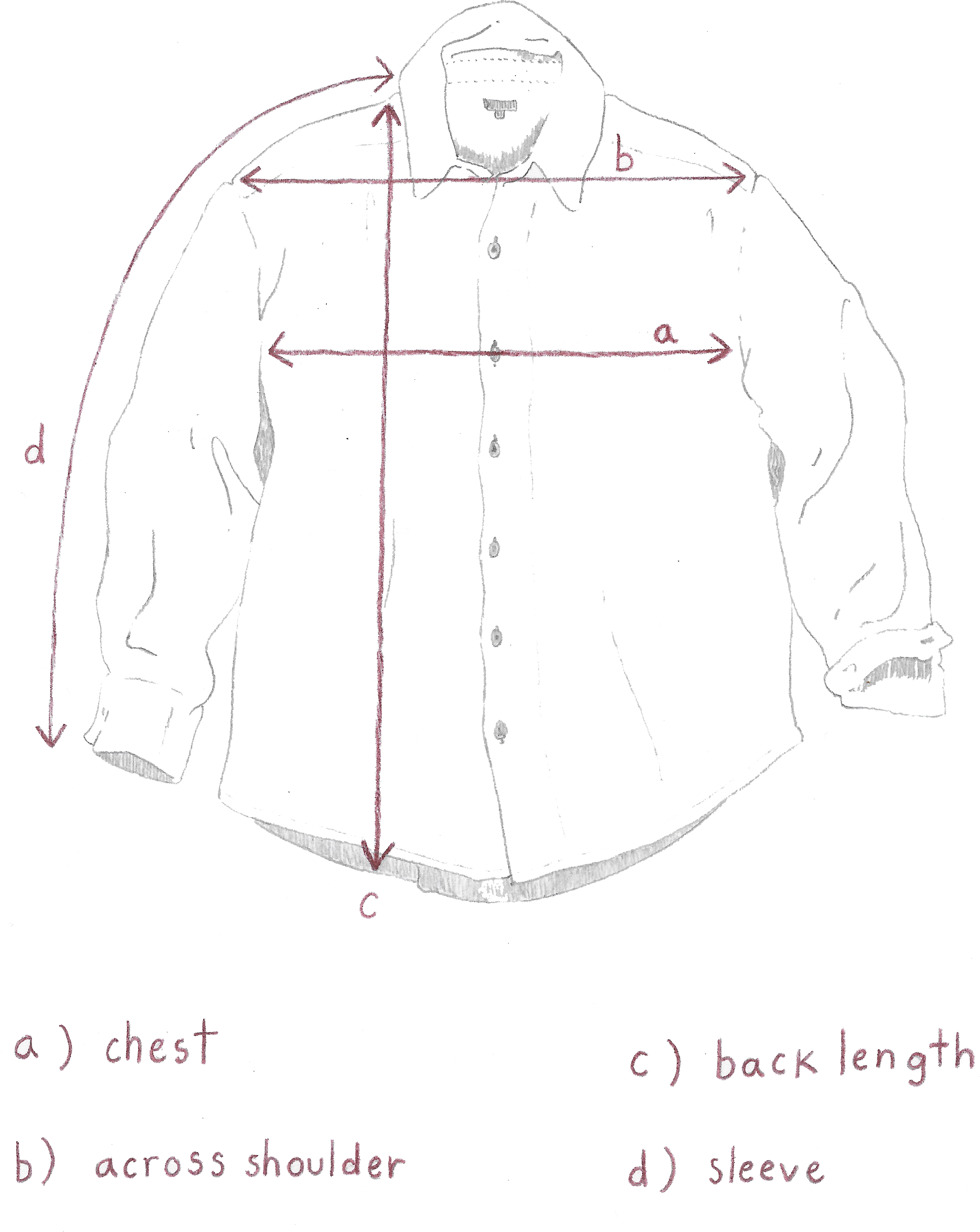
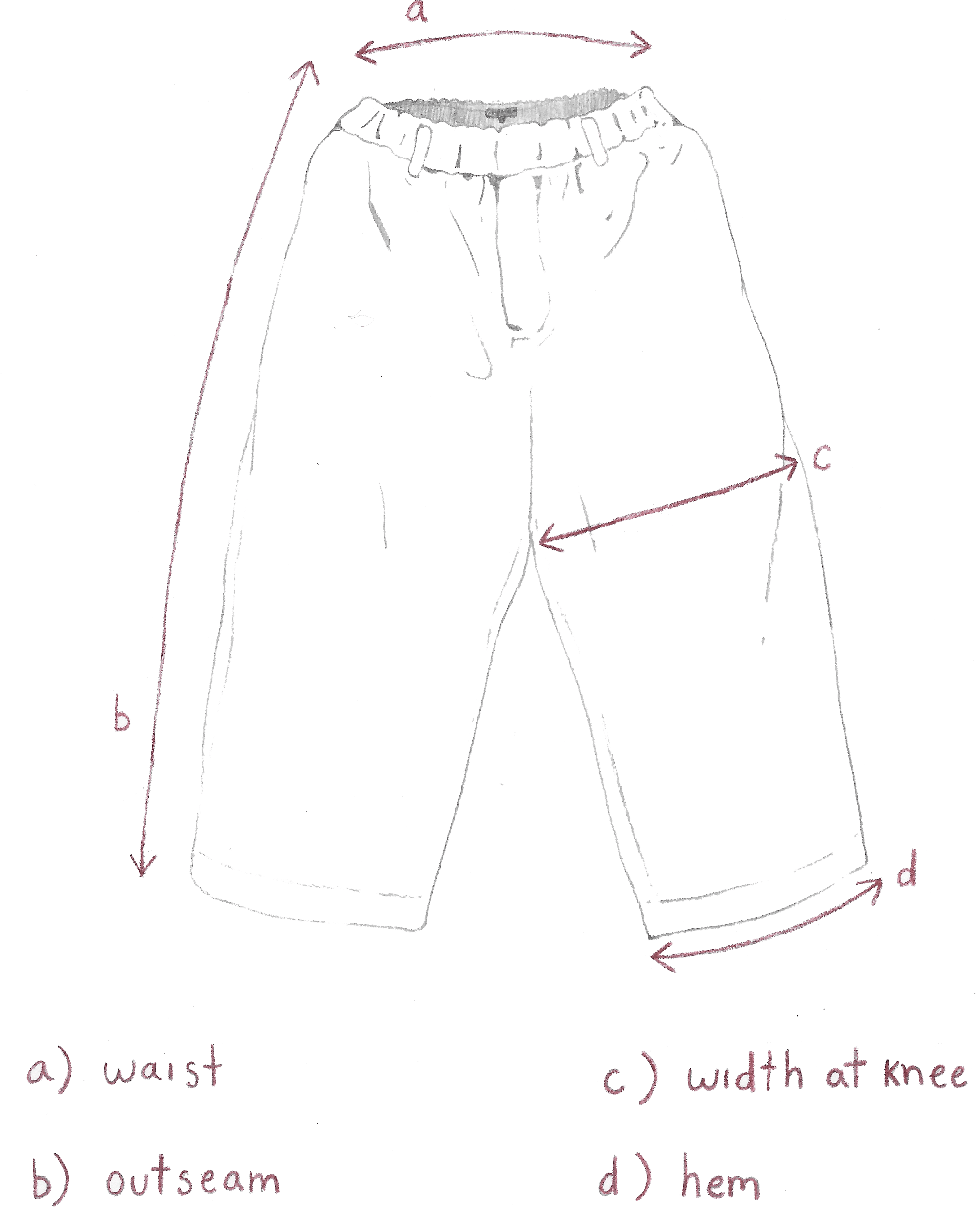
line


in the same cloth
-
MAN-TLE Down Jacket Heavy Wool/Linen Herringbone
Regular price $1,500Regular priceUnit price per -
Big Coat Heavy Wool/Linen Herringbone
Regular price $1,695Regular priceUnit price per -
Peacoat Heavy Wool/Linen Herringbone
Regular price $1,695Regular priceUnit price per -
Zip Jacket Two Heavy Wool/Linen Herringbone
Regular price $1,195Regular priceUnit price per -
Three Button Jacket Heavy Wool/Linen Herringbone
Regular price $1,595Regular priceUnit price per -
Two Pleat Pant Heavy Wool/Linen Herringbone
Regular price $925Regular priceUnit price per


